

It is important to do warm-up exercises before sports to better prepare the body and reduce the risk of muscle cramps and injuries. Warm-up exercises can help improve blood circulation, loosen muscles, and increase focus.
If you don’t know the correct movements, this guide can serve as a reference. It is recommended to warm up regularly to make your exercise more comfortable and effective.
Examples of Effective Warm-Up Exercises Before Sports
According to the Journal of Strength and Conditioning Research, warming up has been proven to improve performance in 79% of the aspects studied. This means that performing a proper warm-up can help the body function more optimally.
So far, there is little evidence that warming up harms people who engage in sports. Therefore, before exercising, always make sure you do enough warm-up.
If you are still unsure about the right exercises, here is the guide you can follow:
1. Head Warm-Up Exercise
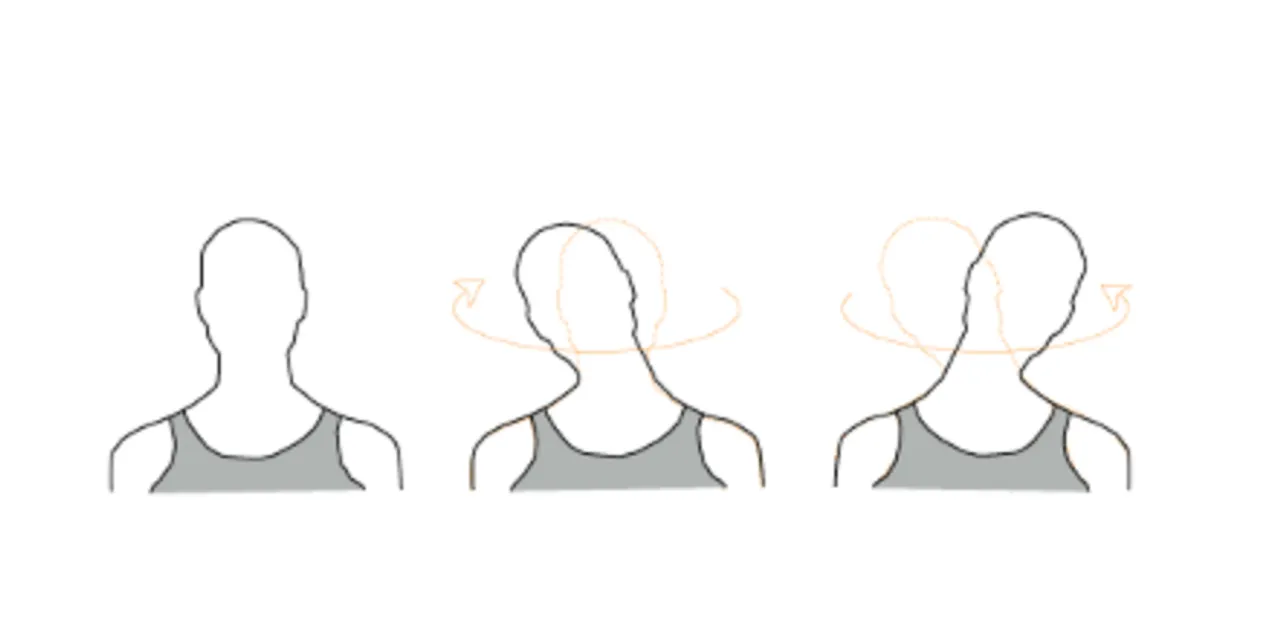
One example of a warm-up exercise is rotating your head. This exercise is useful for loosening stiff neck muscles, making them feel more relaxed before starting the regular workout.
To do it, stand upright, then slowly rotate your head to the right for 8 turns, then to the left for 8 turns. Perform the movements gently and do not rush to allow the neck muscles to stretch properly.
2. Waist Rotation Warm-Up Exercise
Waist rotation is also a warm-up that helps the muscles around the waist relax and become less stiff.
The steps are quite simple. Stand upright, place both hands on your waist, then rotate your waist clockwise 8 times. After that, rotate it counterclockwise 8 times.
3. Knee Rotational Exercise
One function of knee rotational exercises is to maintain knee flexibility and reduce the risk of ankle sprains during movement. This way, the knees are better prepared to support physical activities that require a lot of energy.
To do this, simply stand with your knees together, then rotate them clockwise 8 times. After that, continue rotating in the opposite direction also 8 times.
4. Shoulder Rotation
The shoulder rotation exercise can help maintain shoulder flexibility and prepare the upper body for physical activities. When the muscles and joints in the shoulder area are not stiff, the body moves more freely during exercise, reducing the risk of injury.
The first step in performing this movement is to place your hands on your shoulders, then rotate your shoulders forward for 8 repetitions.
After finishing, repeat the same movement 8 times in reverse. Make sure to perform the movements slowly so that your muscles can adjust properly.
5. Rotating Both Arms
Arms are also part of the body that need to be trained before starting exercise. One movement you can do is swing both arms like a windmill. This movement helps to loosen the muscles in the arms and shoulders so they don't become stiff during activity.
To do it, make circular movements with your arms, moving them forward and backward at a steady rhythm every 8 repetitions.
Move slowly and don’t force it; if done too quickly or excessively, it can cause soreness or make the joints feel unstable, as they are not yet ready for activity.
6. Stretching the Thigh Joints
The thigh joints are also important to stretch, especially if you often run long distances, such as 10 kilometers. This movement helps the thigh muscles better support the body's weight during movement.
To do this, bend one knee backward, then pull the leg toward your body with the help of your hand. Hold for a moment, then switch to the other leg. Hold this movement for 8 seconds on each leg to increase thigh muscle flexibility and readiness for movement.
In addition to stretching the thigh joints, staying hydrated is equally important before running long distances or other types of exercise. In this case, AQUA is a suitable choice for supporting sports activities.
AQUA water has a cool sensation when drunk, even if it is not stored in the refrigerator, proving that AQUA comes from 100% pure mountain water containing natural minerals from selected and protected mountain sources, without any added substances.
By having AQUA by your side, you can maintain fluid balance in your body before, during, and after exercise. In doing so, your body will stay fit, and you can focus while performing every movement.
7. Bending the Ankle
This movement helps maintain smooth blood flow around the ankles. When blood circulation is good, the muscles and ligaments in that area are more ready to move, reducing the risk of injury.
The method is quite simple. Rotate the ankle in one direction, then reverse the rotation. Perform this movement slowly and repeat each direction 8 times for each foot.
8. Bending the Wrist
To prevent wrist injuries when performing push-ups, pull-ups, planks, or sit-ups, it is important to warm up first. This exercise helps maintain joint and muscle flexibility in the wrist, making them more ready for use.
To do this, straighten one hand forward, then point your palm up or down as you prefer. After that, use your other hand to gently press the palm inward. Hold for a moment, then switch to the other side.
Repeat this movement for 8 seconds on each hand for optimal results.
9. Straightening the Legs
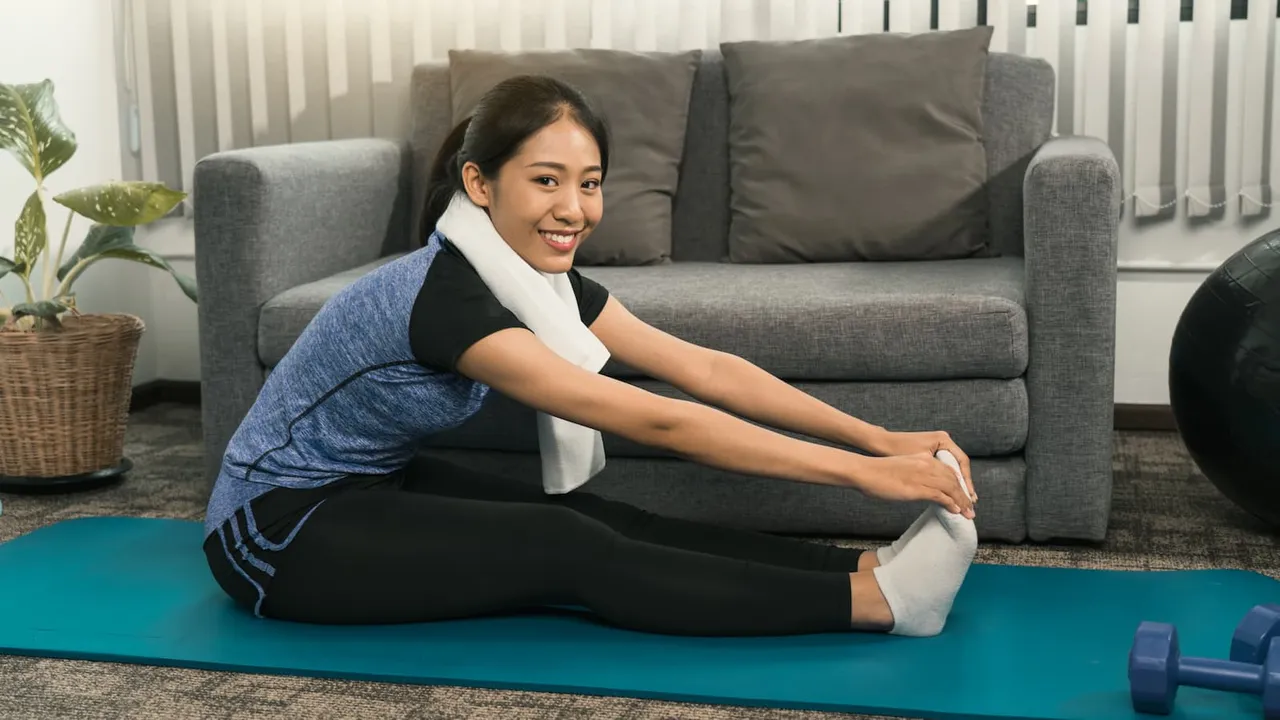
This exercise is useful for loosening the lower thigh muscles and the ankles, especially before long-distance running. These areas often become points of support during running, so they should be prepared to prevent tightness or injury.
To do this, sit on the floor with your legs straight and spread apart. Slowly move your body toward the right leg, then toward the left leg. Do this movement for 8 counts on each leg.
10. Bending the Body Forward
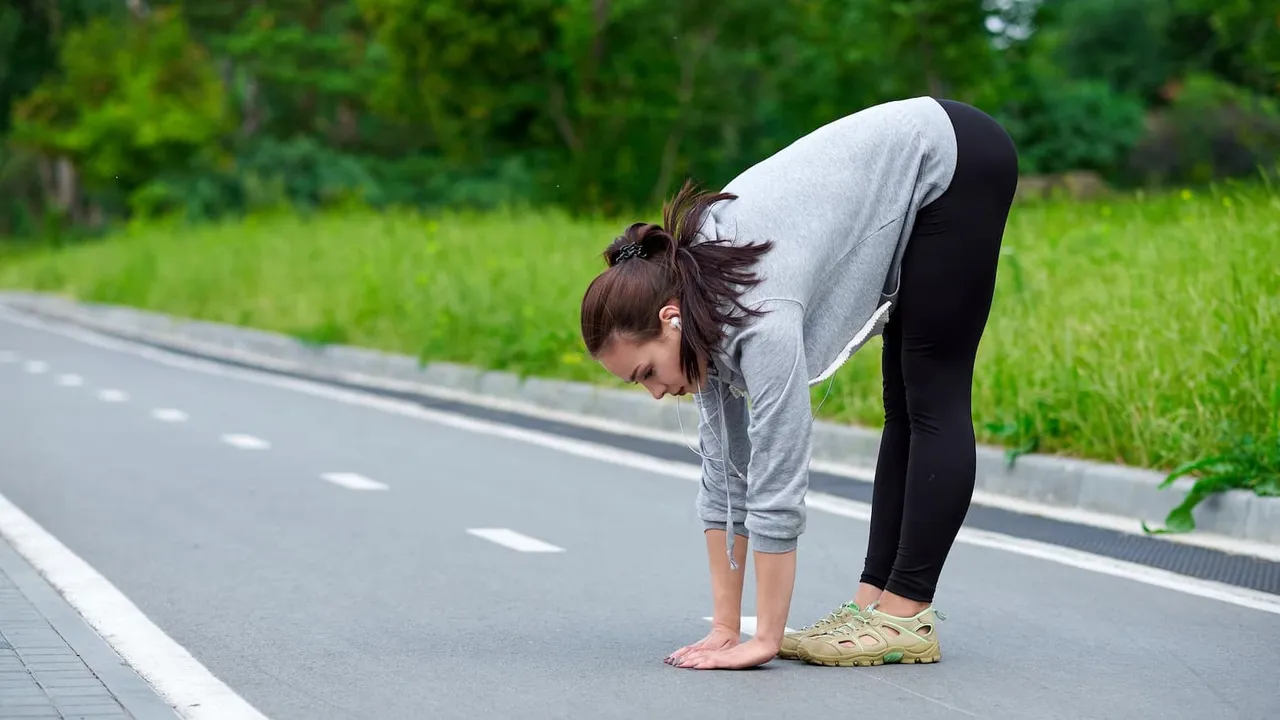
This movement is effective for relaxing the lower back, hamstrings, and calves. When these areas are relaxed, the body can move more comfortably during exercise.
The method is simple. Stand upright, then slowly bend your body forward. Try to touch your toes with your hands, but do not force it. Do it calmly so that the muscles can stretch properly. You can do this movement for 8 seconds.
11. Moving the Torso While Bent Over
This movement is beneficial for improving waist flexibility and reducing the risk of injury during exercise.
To do this, bend your body forward until it forms a 90-degree angle, like an inverted "L" shape.
Ensure both legs remain straight, not bent. In this position, move the upper body (torso) to the left and right slowly, 8 times each.
12. Lifting and Rotating the Legs
This movement helps loosen the joints in the ankles, knees, and hips. These three areas often bear the brunt of exercise, so it is important to perform adequate warm-ups to prevent injuries.
To do this, lift one leg and rotate it clockwise 8 times, then counterclockwise 8 times. After that, switch to the other leg and do the same movement.
Benefits of Doing Warm-Up Exercises Before Sports
Warming up before exercise is an important initial step that signals the body to prepare to move. Although the movements are simple, their benefits are significant for the overall body.
Some of the benefits that can be gained from warming up include:
- Making muscles more ready for use.
- Stimulating the heartbeat gradually.
- Helping the body adjust its temperature.
- Improving blood flow to the muscles.
- Reducing the potential for injury during movement.
- Maintaining body stability during activity.
- Helping regulate breathing.
- Preparing joints to prevent stiffness.
- Maximizing muscle performance.
- Speeding up nerve responses during movement.
The ideal warm-up time is 10 to 15 minutes. By warming up, the body is better prepared to engage in sports activities, reducing initial shock or fatigue.
Those are examples of warm-up exercises before sports and their benefits. By warming up regularly and correctly, the body is better prepared to move, the risk of injury decreases, and sports performance improves.
