
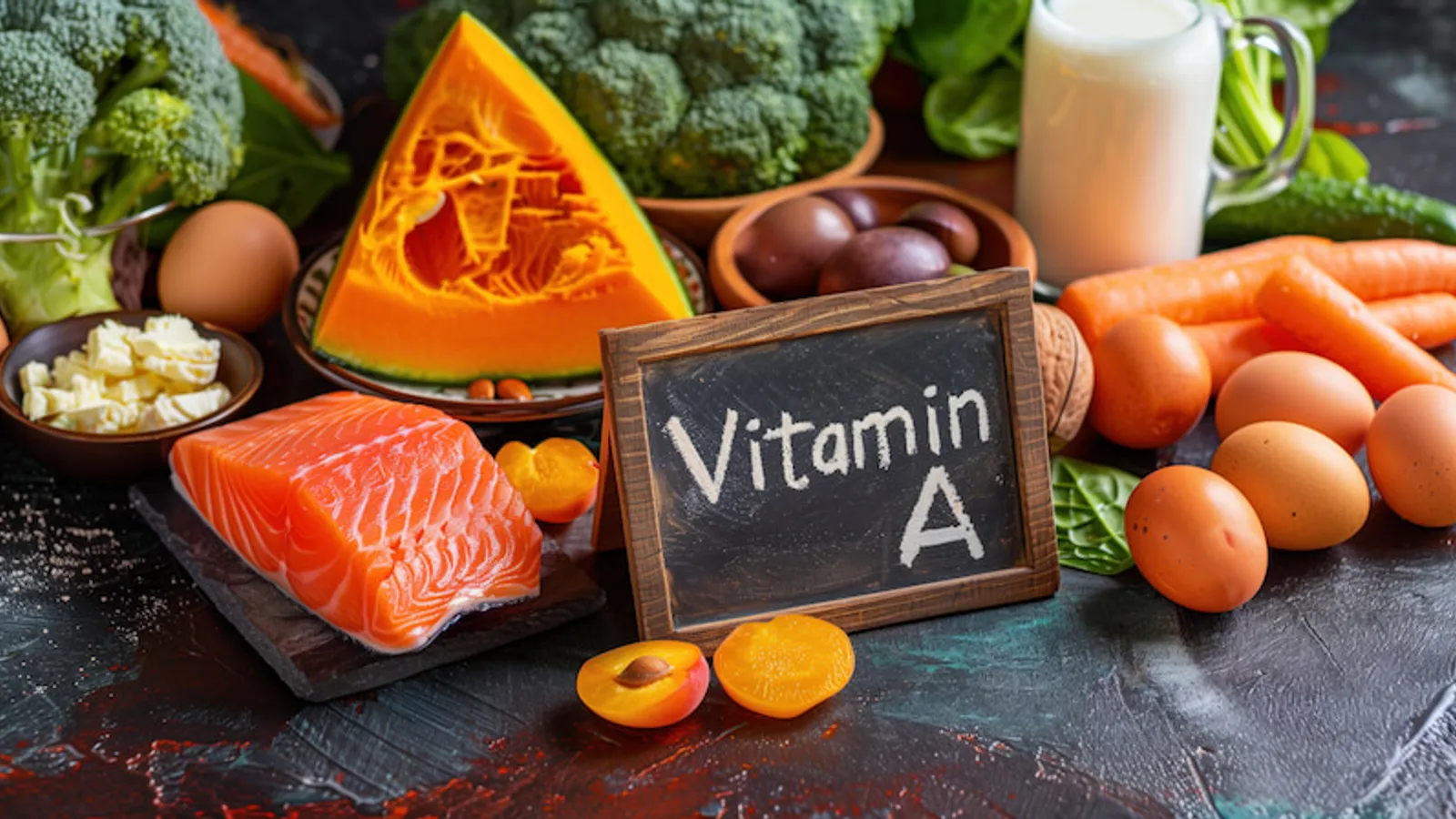
Vitamin A is an essential nutrient that supports the body’s function. One well-known benefit of vitamin A is maintaining eye health. Therefore, make sure you get an optimal vitamin A intake from your daily meals.
On the other hand, it is also crucial to understand the risks of vitamin A deficiency and excessive consumption. Learn more below to manage your vitamin A intake wisely for your health.
What Is Vitamin A?
Vitamin A is an essential nutrient that supports various body functions. Vitamin A also acts as an antioxidant, helping protect body cells from damage caused by free radicals.
Benefits of Vitamin A
Vitamin A is well known for its benefits for eye health, but it does more than that. What are those benefits? Here are some of them:
1. Maintaining Eye Health
Vitamin A's role in maintaining eye health is undeniable. It helps form rhodopsin, the pigment needed to see in low light.
Furthermore, vitamin A helps protect eye cells and prevent damage that can cause several eye conditions, such as nyctalopia.
2. Boosting the Immune System
By increasing the production and function of white blood cells, vitamin A helps the body fight bacteria and pathogens that cause diseases. In addition, this vitamin also supports digestive system health, which is important for optimal nutrient absorption.
Moreover, vitamin A is essential for maintaining protective layers in organs such as the eyes, lungs, intestines, and genitals, helping prevent harmful pathogens from entering.
3. Maintaining Reproductive Organ Health
The next benefit of vitamin A is maintaining reproductive organ health in both men and women. Vitamin A, in the form of retinoid, contains retinol that helps men produce healthy sperm. Meanwhile, in women, vitamin A supports the development of mature egg cells that are ready for fertilization.
4. Reducing the Risk of Cancer
Cancer develops when the body’s cells begin to divide uncontrollably. In this case, vitamin A can reduce the risk of various types of cancer, such as cervical, lung, and bladder cancer.
Another form of vitamin A is carotenoid (such as beta-carotene), an antioxidant essential for protecting body cells from free-radical damage. This can be achieved by meeting your vitamin A needs.
5. Maintaining Fetal Health for Pregnant Women
The next benefit of vitamin A is for pregnant women. To support optimal fetal health and development, pregnant women should meet their vitamin A needs. Retinol acid in this vitamin supports the formation and function of the fetus’ organs. Additionally, this vitamin can strengthen the mother’s immune system, reducing the risk of infection and diseases during pregnancy.
Pregnant women should get vitamin A from nutritious natural food sources, such as sweet potatoes, spinach, water spinach, and mangoes. If you choose to take supplements, consult a doctor beforehand.
Read also: 13 Foods High in Vitamin A and Their Health Benefits!
Daily Vitamin A Requirements
To get the full benefits of vitamin A, meet the appropriate daily vitamin A intake. Meeting daily vitamin A intake helps reduce disease risk. The unit used to measure daily vitamin A requirements is RAE (retinol activity equivalent). Each 1 RAE is equivalent to 1 mcg. Check out the explanation below:
- 0-6 months: 400 RAE
- 7–12 months: 500 RAE
- Child 1–3 years: 300 RAE
- Child 4–8 years: 400 RAE
- Child 9–13 years: 600 RAE
- Adolescents male 14–18 years: 900 RAE
- Adolescents female 14–18 years: 700 RAE
- Adult men: 900 RAE
- Adult women: 700 RAE
- Pregnant women: 770 RAE
- Breastfeeding mom: 1.300 RAE
Make sure to manage your vitamin A intake wisely, whether from food or supplements, to support your overall health.
The Effects of Excess and Deficiency of Vitamin A
Excessive vitamin A can lead to side effects. Meanwhile, vitamin A deficiency can cause health issues. Read the following explanation related to the effects of excess and deficiency of vitamin A:
Effects of Excess Vitamin A
Many people worry they lack vitamin A, so they take extra vitamins from supplements. If you feel this way, you can meet your vitamin A needs with a healthy, balanced diet. Supplements are recommended for patients who have vitamin A deficiency or malnutrition.
Excess vitamin A can cause poisoning and disturbances in digestion, vision, and skin. It can also lead to serious complications, such as nerve disorders. Therefore, it is important to maintain a daily vitamin A intake.
Effects of Deficiency Vitamin A
Vitamin A deficiency usually does not cause symptoms in the early stages, but if left untreated for a long time, it can lead to serious health problems. This condition occurs when the body does not get enough vitamin A from food, causing vision problems and increasing infection risk.
In pregnant women, vitamin A deficiency can lead to weak immunity, dizziness, and fatigue, and it can interfere with fetal development. It can even increase the risk of miscarriage.
That concludes the explanation of vitamin A's benefits for the body. Vitamin A offers health benefits, including eye health, the immune system, and skin health. However, monitor your vitamin A intake to avoid excess or deficiency.
To maintain your health, you also need to meet your fluid intake. So don't forget to drink #AQUADULU to stay hydrated. Remember, not all water is AQUA, so choose the best for your health.
AQUA is an original Indonesian product. AQUA has a naturally cool taste because it comes from 19 selected mountain springs in Indonesia, which contain natural minerals and protective layers, keeping it free from pollution. Additionally, AQUA is certified Halal, BPOM, and SNI, so it is safe for consumption.
So, always prepare AQUA at home! AQUA 100% Murni, 100% Indonesia, and 100% Halal.
Read also: 13 Vitamins to Keep Your Body Fit & Support the Immune System
