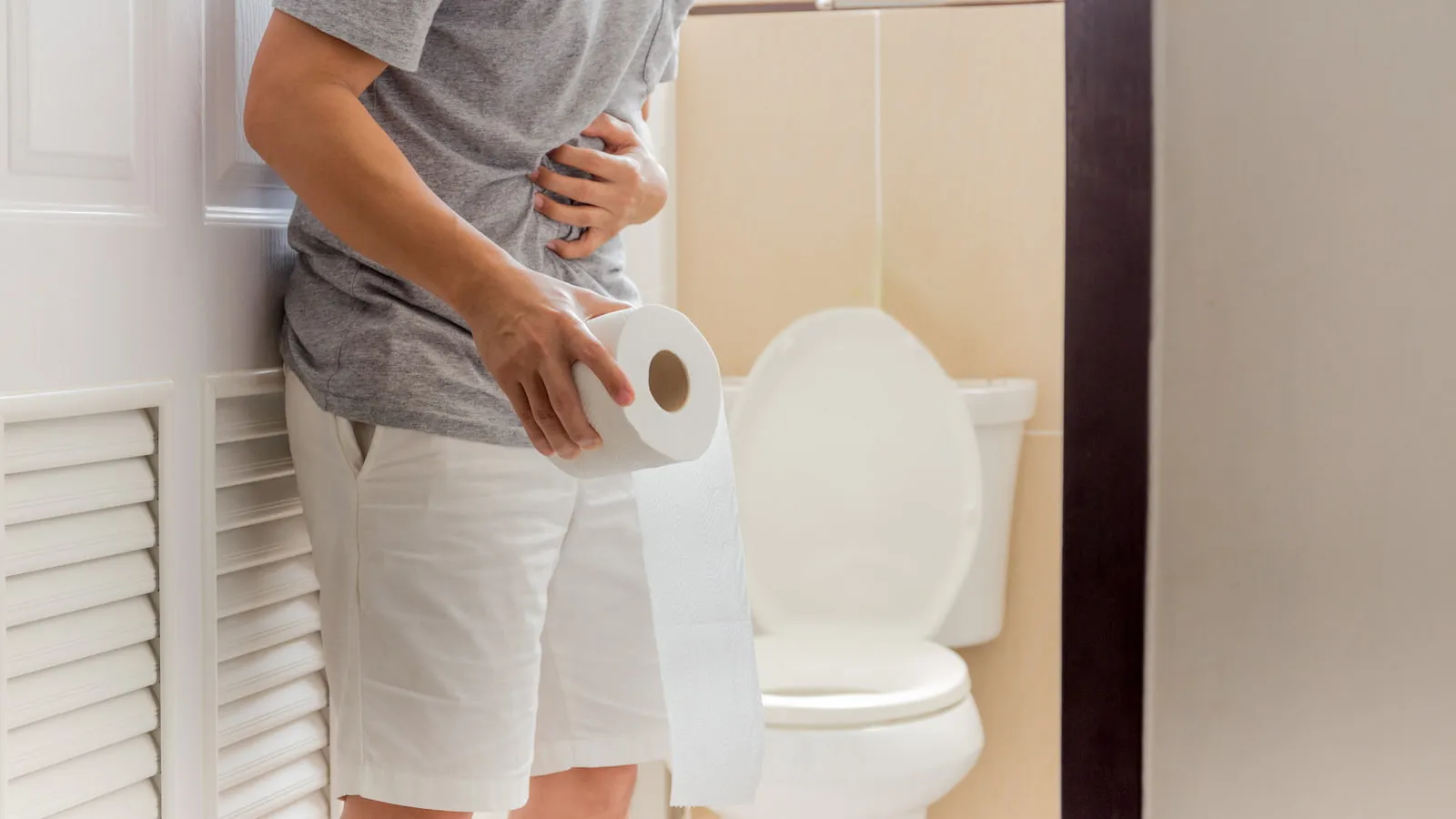
First aid for diarrhea is important to know because this condition can affect anyone, from children to adults.
Although it is often considered trivial, this digestive system disorder can cause bothersome symptoms, such as abdominal cramps, vomiting, fever, and even dehydration.
Generally, diarrhea is caused by food or drinks contaminated with germs, dirt, or toxins, but it can also be triggered by medication side effects or excessive alcohol consumption.
Diarrhea usually subsides within 2–3 days, but early treatment is crucial to prevent worsening.
Read the full explanation below to learn how to provide first aid for diarrhea.
Symptoms and Causes of Diarrhea
Diarrhea is usually characterized by passing loose stools more than three times a day. In addition, sufferers may experience other symptoms, such as:
- Abdominal cramps.
- Urgent need to use the toilet.
- Difficulty controlling bowel movements.
- Nausea.
- Stomach discomfort.
- Bloody stools.
- Fever.
- Dizziness.
- Vomiting.
- Other accompanying symptoms.
The severity and symptoms can vary from person to person. In addition, diarrhea can be caused by various factors, including:
- Viral infections.
- Bacterial.
- Parasites.
- Allergies.
- Consumption of spicy or unhygienic food.
- Surgery in the abdominal area.
- Side effects of certain medications.
First Aid for Diarrhea
When diarrhea strikes, the proper initial steps are crucial to relieving symptoms. Here are some first-aid steps for diarrhea you can take.
1. Hydrate Your Body by Drinking Enough Water
During diarrhea, the body loses a lot of fluids and minerals, which can lead to dehydration. Therefore, an important first-aid step is to maintain hydration by drinking 8–12 glasses of water per day, or about 2–3 liters.
In addition to plain water, fluids can be obtained from soups, broths, fruit juice, and electrolyte drinks, such as oral rehydration solutions. After each bowel movement, it is recommended that you drink approximately 240 ml of fluid to replace what was lost.
Meeting fluid needs from the start helps the body stay healthy, supports recovery, and prevents complications from dehydration. To make it easier to meet daily fluid intake at home, you can provide AQUA Gallon.
With a capacity of 19 liters, AQUA Gallon is sufficient for daily drinking water needs. Its cleanliness is also maintained, as it is sanitized up to 20 times with high-pressure water before refilling.
AQUA Gallon is 100% SAFE from physical, pathogenic, and chemical contaminants, making it safe for all family members to consume.
2. Adjust Your Diet
When experiencing diarrhea, it is best to avoid eating large portions at once, as this can strain the digestive muscles and worsen the condition.
Instead, split your three main meals into smaller portions and eat 5–6 times a day. This method helps reduce intestinal workload, making the recovery process more comfortable.
3. Avoid Foods That Worsen Diarrhea
During diarrhea, it is advisable to avoid foods and drinks that can worsen the condition, such as fried, fatty, spicy, or undercooked foods. Some vegetables and beans that cause gas, such as cabbage, should also be limited.
Additionally, avoid caffeinated drinks such as coffee, tea, and soda, as well as alcohol, as they can increase the risk of dehydration. For those with lactose intolerance, milk consumption should also be limited to prevent diarrhea from worsening.
4. Avoid Excessive Activity
When experiencing diarrhea, it is advisable to rest more and temporarily stop heavy activities. This can help the body, which loses energy due to dehydration and frequent trips to the toilet, to recover properly.
5. Eat Healthy Foods
When experiencing diarrhea, choose easily digestible foods such as bananas, rice, applesauce, bread, potatoes, and biscuits. Avoid fatty, greasy, and spicy foods.
Additionally, consume low-fiber foods, minimally processed foods, and foods with few spices. Adding foods that contain probiotics, such as yogurt, is also recommended to help maintain gut health.
6. Other First Aid
In cases of mild diarrhea, symptoms usually disappear within a few days. However, diarrhea that lasts longer, such as from stomach flu or chronic diarrhea, should be monitored, as it can lead to dehydration.
Some first aid steps that can be taken include:
- Eat small portions throughout the day, rather than three large meals, to ease intestinal workload.
- Consume salty foods, such as pretzels, soup, or oral rehydration solutions to replace lost fluids and electrolytes.
- Choose foods high in potassium, such as bananas, peeled potatoes, and fruit juices.
- Avoid dairy products temporarily if diarrhea is severe.
- Limit fatty foods, fried foods, and fruits and vegetables that cause gas, such as broccoli, bell peppers, beans, prunes, green leafy vegetables, and corn.
- Avoid caffeine, alcohol, and carbonated drinks.
- Consult a doctor if you need to take multivitamins or sports drinks to supplement nutrition.
- Do not use over-the-counter diarrhea medicine unless medically advised.
These steps help relieve symptoms, keep the body hydrated, and support faster recovery.
Those are the first-aid measures for diarrhea that can be done at home to help symptoms subside quickly and keep the body comfortable.
As mentioned earlier, to help meet the body's hydration needs at home, you can provide AQUA Gallon.
Why choose AQUA DULU? Because not all water is AQUA. AQUA Gallon comes in a large 19-liter size that is practical for daily drinking water needs at home, sanitized up to 20 times using high-pressure water, and 100% SAFE from physical, pathogen, and chemical contaminants.
AQUA is an original Indonesian product that is Halal-certified and has passed BPOM and SNI tests, ensuring it is safe for consumption. AQUA comes from selected mountains whose water sources are protected through 9 selection criteria, 5 stages, and at least 1 year of research on more than 600 parameters.
So, make sure to choose AQUA for your family to stay hydrated, because AQUA is 100% Pure, 100% Indonesian, and 100% Halal.