
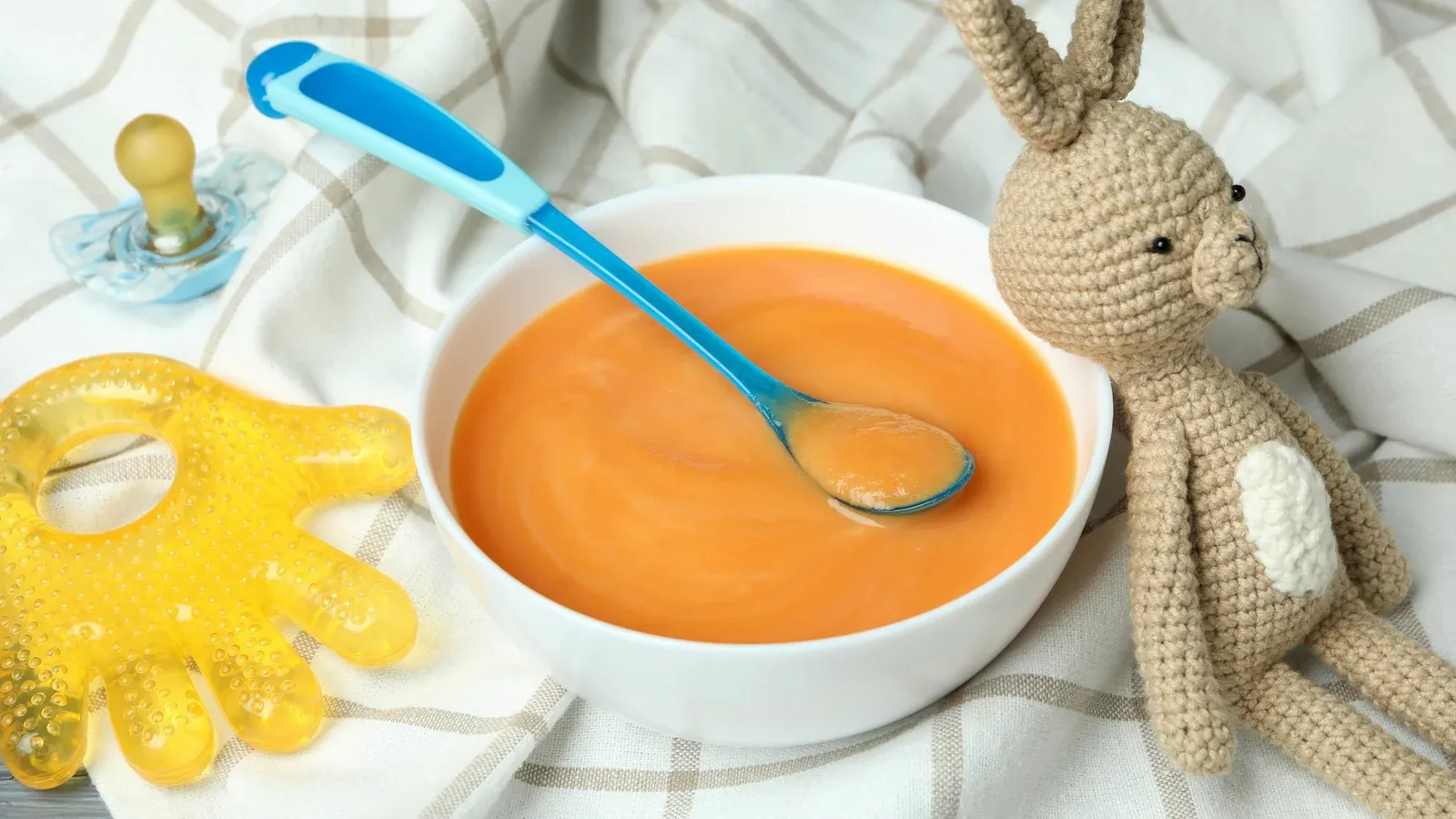
Complementary foods (MPASI) are given to babies when they reach 6 months of age. This period is crucial for a baby's developmental milestones. To support optimal development, it is essential to include animal protein in MPASI.
Did you know that one of the benefits of animal protein is that it helps your baby grow smarter? This is because animal protein generally contains essential nutrients, such as amino acids, DHA, vitamin B12, and choline, which not only support physical growth but also cognitive and brain function.
If you are still unsure about choosing the right animal protein for your baby's complementary food, here is a list of animal proteins that you can adapt to your baby's needs and preferences. Read carefully.
List of Animal Proteins for Baby’s Complementary Foods
When babies start needing complementary foods, parents might be concerned about potential allergies. After all, this is the baby's first exposure to foods with new textures and flavors.
This is where you, as parents, need to ensure that all ingredients, including the water used to mix the foods, are of the highest quality to minimize the risk of allergies and other illnesses.
Therefore, make sure you only use pure, high-quality mountain water, such as AQUA. Always have an AQUA Gallon at home to help you prepare healthy MPASI for your baby.
AQUA is the best choice for your baby because it is 100% SAFE from physical and pathogenic contaminants, as well as 100% SAFE from chemical contaminants, making it 100% SAFE for consumption.
Furthermore, AQUA water has a cool sensation when drunk, even when not refrigerated. This proves that AQUA comes from a protected source, where its natural mineral composition is preserved.
By choosing AQUA as part of your MPASI preparation, you no longer need to worry about the risk of allergies because AQUA is 100% PURE for your baby.
If you already have an AQUA Gallon at home, let's take a look at the list of animal proteins for baby’s complementary foods below.
1. Beef
Beef is highly recommended for complementary feeding due to its high protein content. One hundred grams of fresh meat contains approximately 18.80 grams of protein, which is essential for the growth of a baby's muscles and cells.
Not only serving as a high-protein baby food, beef also contains iron, zinc, vitamin B12, and minerals that can support your baby's growth and development.
If you want to prepare a beef-based dish, be sure to cook it until tender and thoroughly cooked, then puree it to achieve a smooth consistency. For a more balanced taste and texture, consider mixing it with vegetables or baby porridge.
2. Salmon
Salmon as a complementary food is quite a common thing. Its soft flesh is easy to digest, making it suitable for babies as they learn to recognize food textures.
The beneficial nutrients in salmon are also known to promote brain development.
If you want to use salmon as a complementary food, choose fresh salmon and steam or boil it. You can also mix it with sweet potatoes, rice, carrots, or avocado for a balanced combination.
3. Chicken Breast
Chicken breast can be an excellent choice of animal protein for complementary feeding because it is high in protein and low in fat. One hundred grams of skinless chicken breast contains 23.10 grams of protein, with only 1.20 grams of fat.
Besides protein, chicken breast also contains iron, which is essential for red blood cell formation; zinc, which supports immune function and cell regeneration; and choline, which helps with brain development and memory function.
For a healthier option, choose free-range chicken over commercial chicken. By combining free-range chicken breast with tofu, eggs, or cheese, you can create a high-protein meal that complements other foods. Happy eating!
4. Shrimp
Shrimp is a popular seafood choice for many people, including babies when they begin eating complementary foods. The nutrients in shrimp can help build body tissue, support the immune system, bone development, and the nervous system of your baby.
Some popular shrimp-based complementary foods include dragon fruit shrimp, shrimp meatball soup, shrimp steamed rice, shrimp and carrot porridge, and homemade shrimp meatballs.
Although shrimp dishes are popular, it is recommended to serve them in small amounts during the initial stages of complementary feeding. This protein is often a trigger for allergies. So, always pay attention to your baby's reactions and any family history of allergies.
5. Chicken Liver
Besides breast, chicken liver can also be an equally attractive choice for complementary feeding. One hundred grams of fresh chicken liver contains approximately 27.40 grams of protein, which is higher than that of chicken breast.
Chicken liver is often referred to as a superfood due to its high and varied nutritional content. Its soft texture is also suitable for babies whose taste buds are still immature.
6. Lamb
To provide a variety of meat consumption, you can choose lamb for complementary feeding. Lamb is known to be high in protein and also contains other beneficial nutrients, such as zinc, vitamins B6, B12, and heme iron.
However, you need to be cautious when consuming this protein, as it is pretty high in saturated fat. Give it in moderation and not too often.
7. Mullet Fish
Mullet fish is one of the recommended options for complementary feeding because it is readily available in markets and low in mercury, making it a safer choice for your baby to consume.
Mullet can be prepared in several interesting dishes, such as carrot mullet porridge, mullet soup, and mullet fish balls.
Remember that when serving mullet dishes, ensure the fish is boneless and the texture is appropriate for your baby.
8. Chicken Eggs
Eggs are a type of animal protein that is affordable and easy to prepare. They are also ideal for your baby's brain development and can help prevent stunted growth.
You can use eggs to cook a variety of interesting dishes, such as egg tofu with oyster sauce, egg potato steamer, egg sushi, egg cheese pasta, and egg tofu soup.
9. Sardines
Did you know that sardines are known to be high in vitamin A, which is good for your baby's eye health and immune system? You can puree this fish and mix it with rice porridge, potato puree, or vegetable stew.
Choose fresh sardines whenever possible. If you want to try canned sardines, make sure the product is specifically designed for babies and doesn't contain added MSG, sugar, or preservatives.
Avoid regular canned sardines, as adults typically consume them, as they contain a high amount of salt, added preservatives, and pungent spices.
These were some animal protein options for complementary food (MPASI) that can stimulate your baby's brain development, especially their intelligence. With such a wide variety, your baby will learn to recognize many new flavors, which will have a positive impact on their growth and development.
Once the complementary foods or high-protein baby food menu is ready, don't forget to stock up on AQUA Gallon to supply high-quality drinking water at home. The large 19-liter AQUA Gallon capacity ensures the hydration needs of mothers, their babies, and the entire family are met.
AQUA gallons are an economical choice, costing only around IDR 1,000 per liter. The reusable refillable gallon packaging makes AQUA Gallons even more environmentally friendly.
Don't worry, the cleanliness of AQUA Gallons is guaranteed, as they are sanitized up to 20 times with high-pressure water before being refilled.
Why choose AQUA? Because AQUA comes from selected mountains whose springs are protected through 9 selection criteria, five stages, and at least 1 year of research on over 600 parameters.
AQUA is an authentic Indonesian product with halal certification, complying with the Indonesian Food and Drug Authority (BPOM) and the Indonesian National Standards (SNI). AQUA is 100% Pure, 100% Indonesian, and 100% Halal. For that reason, don't hesitate to choose AQUA Gallon as a source of hydration at home.
