
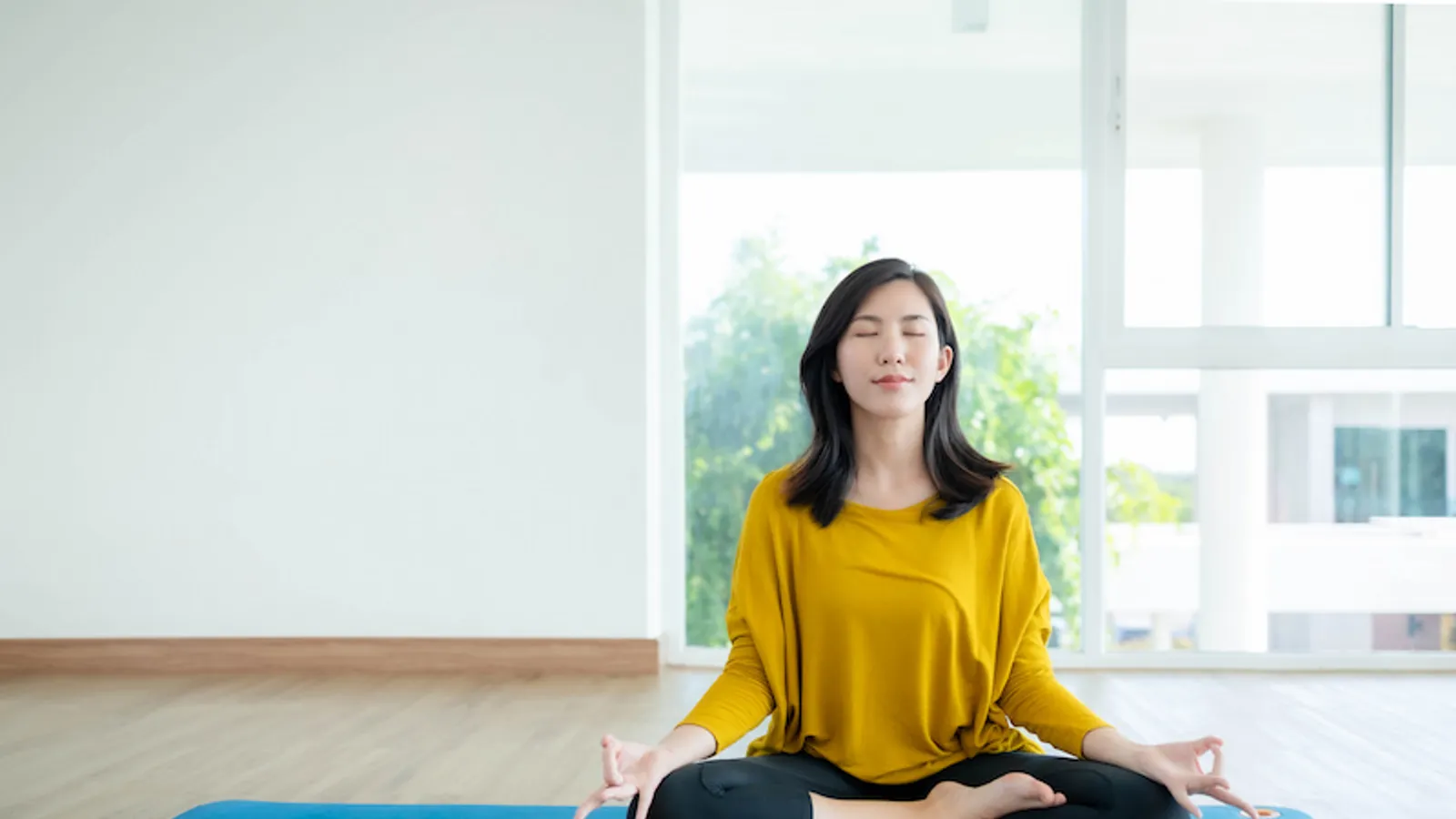
Vinyasa yoga is a modern style of yoga that was developed in the 20th century. These yoga poses focus on the exploration of the connection between the body and mind.
Vinyasa yoga often becomes the option of healthy home workouts. Besides being ideal for beginners, this yoga style offers various benefits. Interesting, right?
If you are interested in starting to practice vinyasa yoga, learn more about it here!
What Is Vinyasa Yoga?
As previously stated, vinyasa yoga is an energetic and dynamic style of yoga, as it continuously moves from one pose to another in a flowing sequence. The word “vinyasa” comes from Sanskrit, which means to arrange or to place something in a specific way.
Meanwhile, in the yoga context, vinyasa refers to the synchronization of poses and breathing. This is related to the practice of vinyasa yoga, which emphasizes synchronizing yoga poses with breathing.
During a Vinyasa yoga session, you may notice that you often repeat the same poses several times in different sequences. There are at least four characteristics of vinyasa yoga that distinguish it from other yoga styles, such as ujjayi breathing, transitional poses, meditation methods, and savasana.
These four characteristics are also included in poses that are frequently used during vinyasa yoga. These poses can help improve body flexibility, balance, and relaxation.
Poses in Vinyasa Yoga
Today, there are many variations of vinyasa yoga poses. However, there are several poses that are commonly included in vinyasa yoga. The following are some popular poses in vinyasa yoga:
1. Tadasana
The first pose in vinyasa yoga is tadasana, also known as the mountain pose. You can practice this pose by standing upright with your feet together or hip-width apart, and let your arms be placed naturally at your sides.
Then, take a deep breath in and exhale slowly while focusing on the strength and balance required for this pose. The Tadasana pose can improve body alignment, especially for those with a hunched back and weakened back muscles.
2. Adho Mukha Svanasana
To begin the Adho Mukha Svanasana pose, or downward-facing dog, you can start in the Tadasana pose first. Then, fold your upper body forward and place your hands on the floor, keeping them shoulder-width apart.
Next, step your feet back until you form an inverted triangle. You can feel a gentle stretch in your back and leg muscles. This pose can help support blood circulation.
3. Plank Pose
After practicing Adho Mukha Svanasana, take a deep breath, then shift your body forward into a push-up with your arms positioned beneath the shoulders. Then, keep your body in a straight line from your head to your heels. Hold this pose for a while, using your abdominal and back muscles to maintain your balance.
4. Bhujangasana
When you are practicing bhujangasana (cobra pose), gently lower your body to the floor while taking a deep breath. Place your palms beside your shoulders with your elbows close to your body. Afterward, lift your upper body using your back muscles, and feel the gentle stretch in your back and abdominal muscles.
5. Balasana
To practice balasana (child’s pose) in vinyasa yoga, start by lowering your hips back while keeping your knees together or slightly apart for comfort. Then, fold your torso forward until your forehead rests on the floor, and extend your arms alongside your body. After that, maintain your position while controlling your breathing to relax your body.
6. Sukhasana
The last pose in the vinyasa yoga sequence is sukhasana (easy pose). Begin by sitting comfortably with your legs crossed and your back upright. Rest your hands on your knees, close your eyes, and focus on your breathing. The Sukhasana pose will help calm your mind and body.
Benefits of Vinyasa Yoga
Practicing vinyasa yoga can offer a variety of physical, mental, and spiritual benefits. Regular vinyasa yoga practice can help maintain your overall health. Several benefits of vinyasa yoga are as follows:
1. Improves Flexibility
The first benefit of vinyasa yoga is that it can help improve flexibility through regular practice. This may not affect your body flexibility directly, but it helps your body to gradually increase its range of motion, reducing the risk of injury.
2. Enhances Body Balance
Vinyasa yoga emphasizes synchronizing poses and movements with breathing. These poses require balance during practice, and they can also help develop body coordination. As a result, you will also improve and maintain your balance as you age.
3. Act as a Medium for Meditation
Vinyasa yoga is often known as moving meditation. In this case, vinyasa yoga can also help you stay in a flow state and focus on what you are feeling. This pose can help reduce anxiety, depression, and negative thoughts slowly, supporting overall mental health.
4. Improve Body Posture
Proper practice of vinyasa yoga while paying attention to alignment can help you improve your posture. If your posture improves, then you can reduce the risk of back pain and muscle tension.
5. Enhance Focus and Discipline
Vinyasa yoga requires full concentration on each movement and breath. This can improve your focus, which positively affects your physical and mental health.
That is the complete explanation of vinyasa yoga, from its definition and poses to its benefits. Vinyasa yoga is known as an exercise that combines body movement, balance, and breathing.
Although this yoga is beginner-friendly, vinyasa yoga may drain your energy. Therefore, for a solution, you can prepare high-quality drinking water, such as #AQUADULU. AQUA is a drinking water product that is a perfect companion for any physical activity. An AQUA bottle of 600 ml can be a great choice, as it is convenient to carry wherever you go.
