
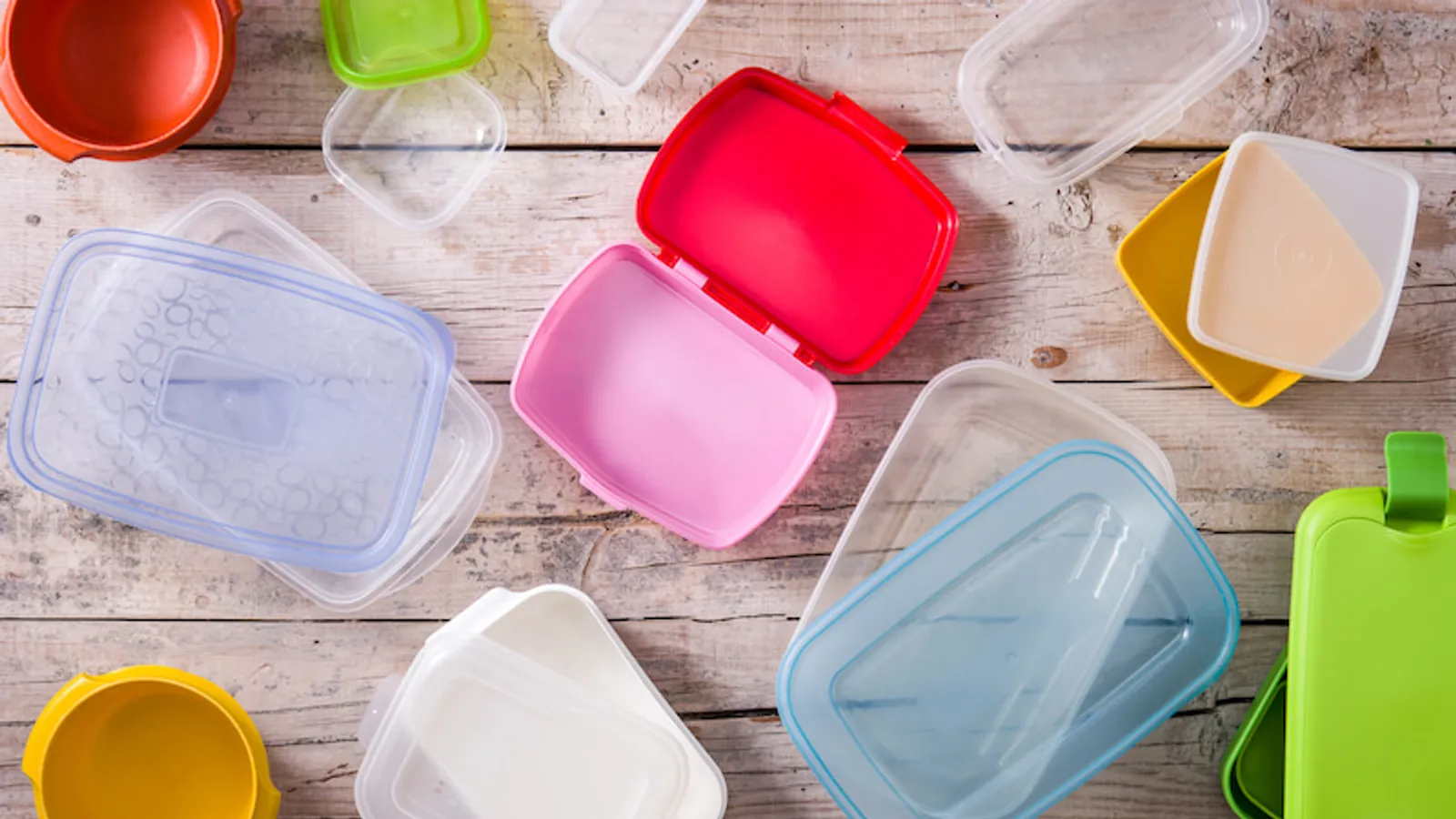
Plastic has become part of our daily lives. Although plastic use continues to rise, there are some ways to reduce the domestic plastic waste, including recycling plastic into new, useful products.
There are many types of plastic commonly used in everyday life, each with its own characteristics and uses. This article explains the different types of plastic and how to recycle them into useful crafts in an environmentally friendly way. Let’s take a closer look.
Types of Plastic
Not all plastics are the same. Each type has its own purpose and characteristics. Here are some common types of plastic and examples of products made from them.
1. Polyethylene Terephthalate (PET)
Polyethylene terephthalate, commonly known as PET, is one of the most widely used types of plastic, especially for food and beverage containers. PET is strong, lightweight, and moisture-resistant. These properties make PET ideal for water bottles, food jars, and some food containers.
In addition, PET is relatively easy to recycle. After recycling, it can be used to make various products, such as bags, wallets, and new containers.
2. High-Density Polyethylene (HDPE)
High-density polyethylene, or HDPE, is a durable plastic that is resistant to many chemicals and moisture. HDPE is often used to make products such as water gallon containers, juice bottles, detergent containers, pipes, cartons, buckets, and shopping bags. HDPE can also be recycled.
3. Polyvinyl Chloride (PVC)
Polyvinyl chloride, or PVC, is a versatile type of plastic. It offers several advantages, including resistance to many chemicals and corrosion, as well as good electrical insulation.
PVC is commonly used for water pipes, electrical cables, credit cards, and toy packaging. In addition, this type of plastic can be used in certain medical equipment because it can be manufactured to meet specific hygiene and safety requirements, including IV fluid bags and oxygen masks.
4. Low-Density Polyethylene (LDPE)
Low-density polyethylene, or LDPE, is a type of plastic that is less dense and more flexible than HDPE. It is often used to make garbage bags, snack packaging, and squeezable bottles. In addition, LDPE is commonly used as insulation for cables and wires.
Although LDPE is softer and more flexible, it is still durable and resistant to moisture. It can be recycled into various products, such as pipes, floor tiles, and compost bins.
5. Polypropylene (PP)
Polypropylene, or PP, is known for its relatively high heat resistance compared with many other common plastics. It is widely used in products such as food containers designed for microwave use, straws, bottle caps, adhesive tape, and disposable diapers.
6. Polystyrene (PS)
Polystyrene or mostly Styrofoam possesses a characteristic of lightness and is easy to mold, making it the ideal choice of staple material in the food and packaging industry. Therefore, Polystyrene is often used for disposable containers such as drinking cups, plastic spoons, egg cartons, and electronic item protectors.
7. Others
In addition to the six types of plastic mentioned above, there is a category labeled “Other,” which is usually identified by recycling code 7. This category includes various plastics used in products such as electronic device casings, CDs and DVDs, and some lighting products.
Read also: 3R Principles (Reduce, Reuse, Recycle) and Their Examples
How to Recycle Plastic Waste
Plastic can be recycled into various useful products, including crafts. Here are some basic steps you can follow to recycle plastic waste:
- Sorting: Sort plastics based on their type so that the recycling process is more effective.
- Cleaning: After being sorted, clean the plastic from food residue or other clinging dirt. This cleaning process is important for maintaining the quality of the recycled output.
- Craft Making: One creative way to recycle plastic is by turning it into handicrafts, such as bags, wallets, flower vases, and other accessories. With a little creativity, plastic can be transformed into unique and functional items that can be used every day.
Thus is the discussion regarding the types of plastics and their examples; each has its own characteristics and uses. In addition, plastic can also be recycled into useful handicrafts. By knowing the types of plastics and how to recycle them, you can contribute to preserving the environment.
In connection with this, AQUA also provides a variant of bottle AQUA that also helps preserve the environment, namely AQUA Life. AQUA Life bottles are made 100% from recycled plastic. Packaged in an 1100 ml size, this type of plastic bottle has a simple shape so that you can easily carry it anywhere.
Furthermore, AQUA Life production has also been certified FSSC 22000 and SNI, making it safe to consume. So, what are you waiting for? Come on, fulfill your drinking water needs with AQUA 100% Pure, 100% Indonesia, and 100% Halal! Don't forget to also keep supporting the #BijakBerplastik with AQUA!
Read also:10 Crafts from Used Plastic Bottles and How to Make Them
