
A feeling of fullness that quickly disappears after eating can make you want to look for snacks again. One of the causes is food choices that cause blood sugar levels to rise quickly.
To make your daily diet more balanced, you can add low glycemic index foods to a healthy diet menu. The choices are also quite diverse and easy to find, ranging from vegetables and fruits to nuts and legumes.
Then, which foods can you choose? Check out what low glycemic index foods are and tips for consuming them below!
What Are Low Glycemic Index Foods?
The glycemic index, or GI, is a measure that shows how quickly carbohydrate-containing foods raise blood sugar levels after being consumed. Its value is measured on a scale of 0–100.
Foods with a GI value of 55 or lower are classified as low-GI foods. Foods in this category are digested and absorbed by the body more slowly.
Because the process does not take place quickly, the rise in blood sugar after eating tends to be slower and more gradual.
These foods also generally contain fiber, protein, healthy fats, or a combination of several nutrients that can help you feel full for longer.
However, the glycemic index value is not the only thing you need to pay attention to. The amount of food consumed still affects the blood sugar response.
The processing method, level of ripeness, as well as the side dishes served with a meal can also affect its impact on the body. Therefore, low-glycemic-index foods need to be consumed in appropriate portions and combined with other nutrient sources.
List of Low Glycemic Index Foods
You do not have to look for expensive food ingredients to start planning a healthy diet. Here is a list of various foods with a low glycemic index that you can choose:
1. Whole Oats
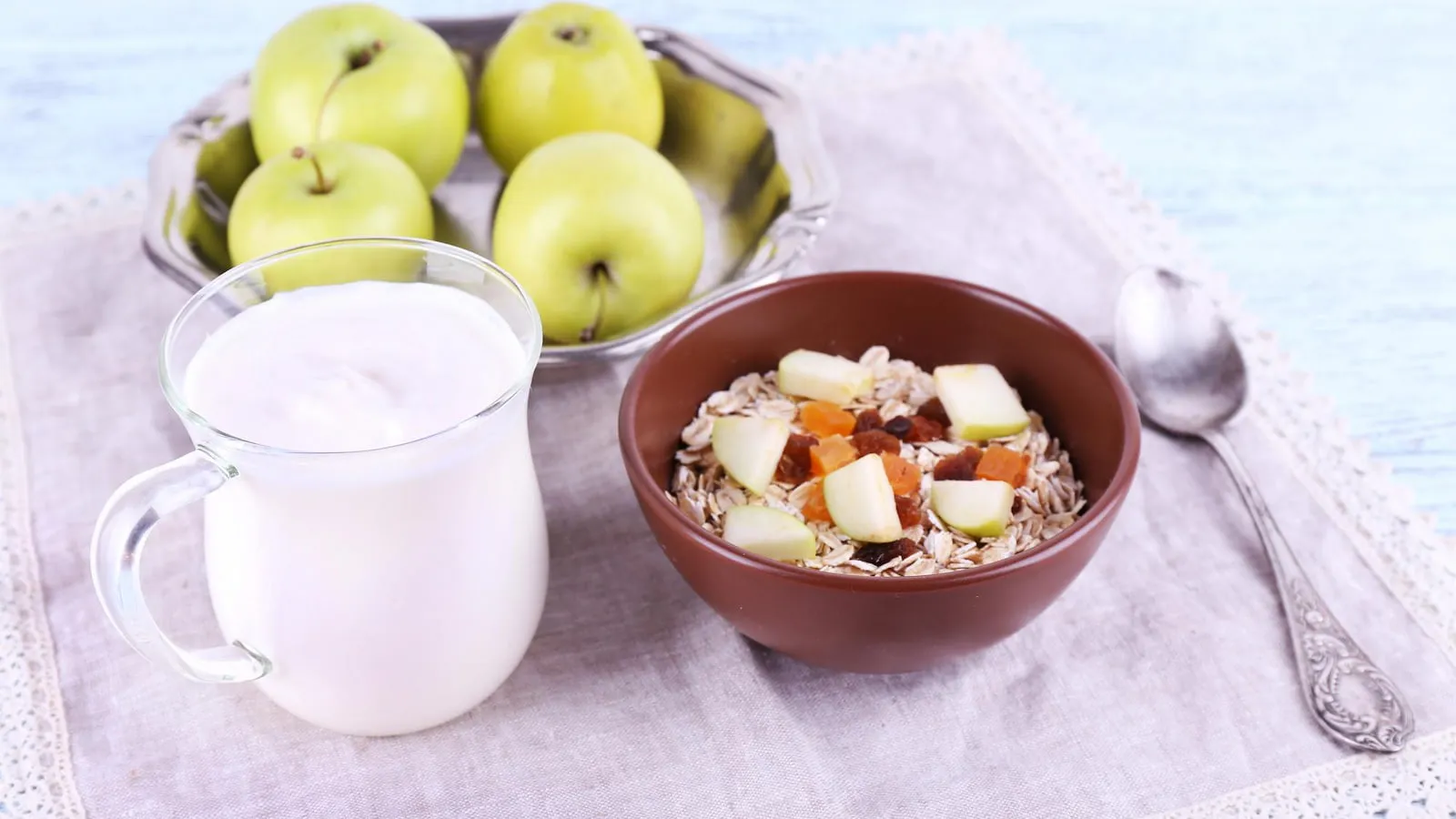
Oats can be a good source of carbohydrates for breakfast. This food ingredient contains soluble fiber called beta-glucan, which helps slow down the digestive process. Choose rolled oats or steel-cut oats that do not contain added sugar.
Then, you can serve them with milk, nuts, and fruit slices. Avoid adding too much honey, syrup, or sugar to keep the added sugar content low.
2. Nuts and Legumes
Red beans, mung beans, and soybeans are foods that are rich in fiber as well as plant-based protein. That combination makes legumes digest more slowly, making them suitable for a balanced diet menu.
3. Gluten Free Vegetables
Broccoli, spinach, mustard greens, cucumber, cabbage, and cauliflower are included as gluten free vegetables that are relatively low in carbohydrates and rich in fiber.
To maintain their nutritional content, vegetables can be steamed, boiled briefly, sauteed, or consumed raw as lalapan after being cleaned. Make sure to limit the use of high-sugar sauces when serving them.
Read also: 10 Healthy Vegetable Juices That are Easy to Make
4. Apples
The fiber content in the flesh and skin of apples can help slow down the digestive process. You can also consume apples with their skin after washing them thoroughly, or pair them with nuts without added sugar as well as plain yogurt.
5. Oranges
Besides containing vitamin C, oranges also contain fiber. You can consume the fruit directly to retain its fiber content. However, remember to pay attention to portion sizes.
6. Sweet Potatoes
Sweet potatoes can be an alternative for a carbohydrate source other than rice. This low glycemic index food contains fiber, vitamins, and minerals. However, its glycemic index value certainly differs depending on the type as well as its processing method.
7. Plain Yogurt
Plain yogurt without added sugar can complement a breakfast or snack menu. The protein content inside it can help provide a feeling of fullness, but the nutritional value of each product can vary.
Before buying, make sure to read the label on the packaging and choose products with low added sugar content. If you want to add flavor, combine plain yogurt with fresh fruit slices, chia seeds, or a little bit of nuts.
Read also: 9 Foods to Eat Before Running for More Energy!
Tips for Choosing Low Glycemic Index Foods
The glycemic index value can be a guide in determining a healthy food menu, but its application needs to be adjusted to your diet. Here are several steps that can help you choose low glycemic index foods:
1. Check the Ingredients on the Packaging
The words “healthy,” “natural,” or “multigrain” on the front of the packaging do not necessarily indicate that a product is low in sugar. Check the ingredient list and the nutrition facts table to find out the carbohydrate, added sugar, and fiber content, as well as the serving size.
2. Choose Minimally Processed Ingredients
The longer the steps for processing food, the softer its texture may become, potentially making it easier to digest. That condition can affect blood sugar responses. Prioritize whole fruits, whole grains, nuts and legumes, and vegetables rather than ultra-processed foods.
3. Combine Carbohydrates with Protein and Fiber
Do not just fill your plate with one type of carbohydrate. Combine rice or other carbohydrate sources with vegetables, protein-rich side dishes, as well as healthy fats in reasonable amounts.
4. Still Pay Attention to Meal Portions
Low glycemic index foods do not mean they can be consumed as much as you want. Portions still determine the amount of carbohydrates and energy that enter the body. Adjust the amount to your age, daily activities, health condition, and energy needs.
5. Do Not Forget Fluid Needs
Besides paying attention to food, do not forget to meet your fluid needs throughout the day. Make it a habit to bring drinking water during activities, so it is easier for you to drink regularly. One way is by bringing an AQUA Bottle when traveling or doing activities outside the house.
The sensation of AQUA Cool water can help you meet your fluid needs while simultaneously boosting your spirit.
That is the explanation of low-glycemic-index foods. A healthy diet can start from simple steps, such as replacing high-sugar snacks with whole fruits, increasing vegetable intake, as well as choosing minimally processed food ingredients.
Nevertheless, you still need to pay attention to portions and nutritional balance in every menu. For those of you who have diabetes or certain health conditions, consult a doctor or nutritionist about managing your diet.
A well-maintained diet also needs to be complemented with adequate body fluid intake. When traveling, make sure you bring an AQUA Bottle to avoid dehydration. AQUA Bottle 600 ml also has practical packaging and is easy to open and close, so there is no fear of spilling.
Why must it be AQUA? Because not all water is AQUA. AQUA is naturally filtered through layers of rocks rich in natural minerals and processed without human hands touching the water. It also undergoes 400 quality testing stages before being sent through the distribution network.
That process makes AQUA Sejuk Alami while simultaneously making AQUA water cold without being chilled.
So, complete your food choices with sufficient fluid intake and feel the Dingin Alaminya AQUA, Ademin Kamu!
Read also: 10+ Foods to Increase Hemoglobin Levels for Optimal Iron Absorption
