
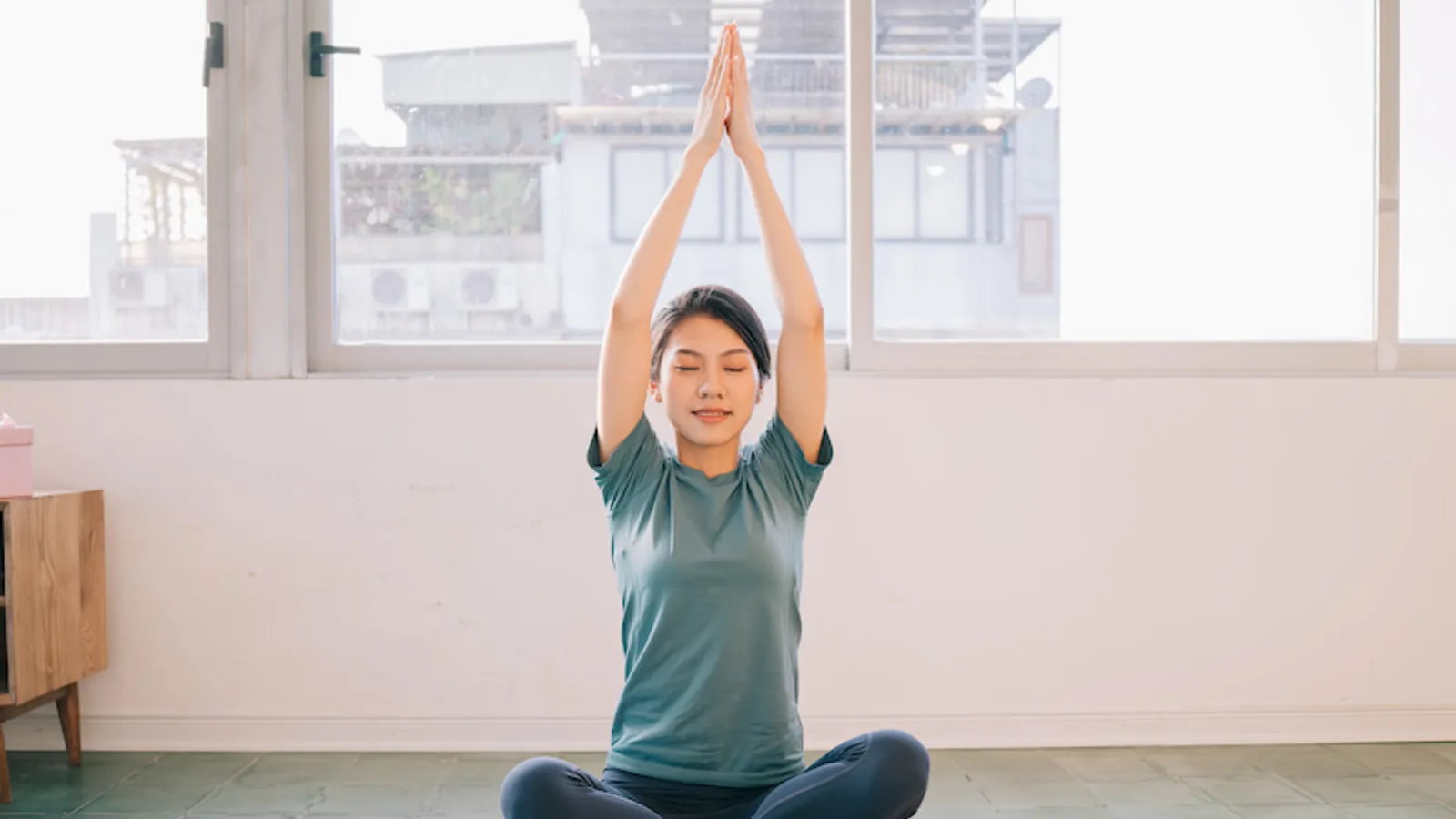
Floating yoga, also called aerial yoga and anti-gravity yoga, is a type of yoga movement performed using a hammock. The hammock not only supports participants but also lets them experience the sensation of floating in the air while moving.
Want to know more about floating yoga, including its full definition, benefits, required equipment, and tips for getting started? Check out the following article.
What Is Floating Yoga?
Floating yoga is a form of exercise that combines elements of yoga, pilates, and acrobatic arts. This type of yoga uses a special hammock attached to the ceiling that supports the participant’s body weight while they perform yoga poses.
The hammock used in floating yoga is made of strong, elastic material that can effectively support body weight. This allows participants to perform more intense yoga poses without putting excessive pressure on their joints or muscles.
Benefits of Floating Yoga
After understanding how it works, here are some of the benefits of floating yoga for physical and mental health:
1. Improve Flexibility
One of the main benefits of floating yoga is improved flexibility. The hammock lets participants perform complex movements without putting excessive pressure on joints and muscles. This helps participants stretch muscles that are usually hard to reach. If practiced regularly, floating yoga can be highly effective for improving flexibility and body suppleness.
2. Reduce Stress
Like other forms of yoga, floating yoga can also reduce stress. Slow movements and controlled breathing during the exercise can help calm the mind and reduce anxiety. Furthermore, the sensation of floating in the air can also be pleasant and may improve mood.
3. Improve Balance and Core Strength
Floating yoga requires a high level of balance because participants must control their movements while floating. This greatly contributes to core strength, which supports overall body stability. Moreover, strong core muscles can improve posture and reduce back pain.
4. Increase Focus and Concentration
Floating yoga requires high concentration because participants must focus on their movements while adjusting their body position on the hammock. This can help with your concentration, which is essential in daily life.
Required Equipment
To practice floating yoga safely and effectively, you will need the following equipment:
- Yoga hammock: This hammock must be made of strong material to safely support your body weight.
- Rigging kit: This equipment hangs the hammock from the ceiling and usually includes carabiners, straps, and other items needed to install it safely.
- Comfortable clothing: Choose clothing that is comfortable, stretchy, and not too loose so you can move freely.
- Mat: Even though you perform floating yoga movements using a hammock, you still need a soft mat under the hammock. This mat protects you if you accidentally fall or slip.
Read also: What Is Vinyasa Yoga? Poses and Health Benefits
Tips for Getting Started with Floating Yoga
If you are interested in taking floating yoga classes, here are some important things you need to know:
1. Find an Experienced Instructor
Floating yoga uses special techniques, so beginners should find an experienced instructor. An experienced instructor can also provide proper guidance so you get the most benefit from each session.
2. Choose a Beginner Class
As a beginner, you are certainly advised to choose a class specifically designed for new participants. Attending a beginner class will help you learn the basics of floating yoga techniques without feeling overwhelmed.
3. Warm Up
As with other fitness activities, stretching before a floating yoga session is important. Warming up helps lower your risk of injury and prepares your body for challenging movements.
4. Adapt to the Floating Sensation
Floating in the air can feel different for everyone. Give yourself time to adapt to this sensation, and don't feel the need to rush to find your balance right away.
5. Do Not Be Afraid of Falling
Falling is part of learning floating yoga. The hammock is designed to safely support your body weight, so don't be afraid to try new poses. If you fall, treat it as a chance to learn and improve your technique.
6. Practice Regularly
Like other forms of exercise, consistency is key in floating yoga. Schedule your training sessions regularly and commit to continuing to learn and improve your skills.
That concludes the interesting information on floating yoga that you should know before trying it. With benefits ranging from improved flexibility to reduced stress, floating yoga is a great option if you are looking for a new way to improve your fitness and body flexibility.
While exercising, don't forget to stay hydrated by bringing AQUA 600 ml to your training sessions. Not only does it help meet your body's fluid needs, but buying AQUA regularly also gives you the chance to enjoy free vacations to various destinations in Indonesia through the AQUA 100% Murni 100% Petualangan Indonesia program.
This program runs from May 29 to September 30, 2024. To participate, purchase AQUA products at the nearest convenience store or online, then send a photo of your proof of purchase to the official AQUA WhatsApp number at 087878700048.
What are you waiting for? Join the program now!
