Water that appears clear does not necessarily have the same quality. The water source, environmental conditions, and natural filtration process also determine the water’s composition and safety.
One of the sources widely used for drinking water is mountain water because it comes from areas with natural rocks layers.
Then, what makes mountain water different from other sources? Check out the explanation below!
What Is Mountain Water?
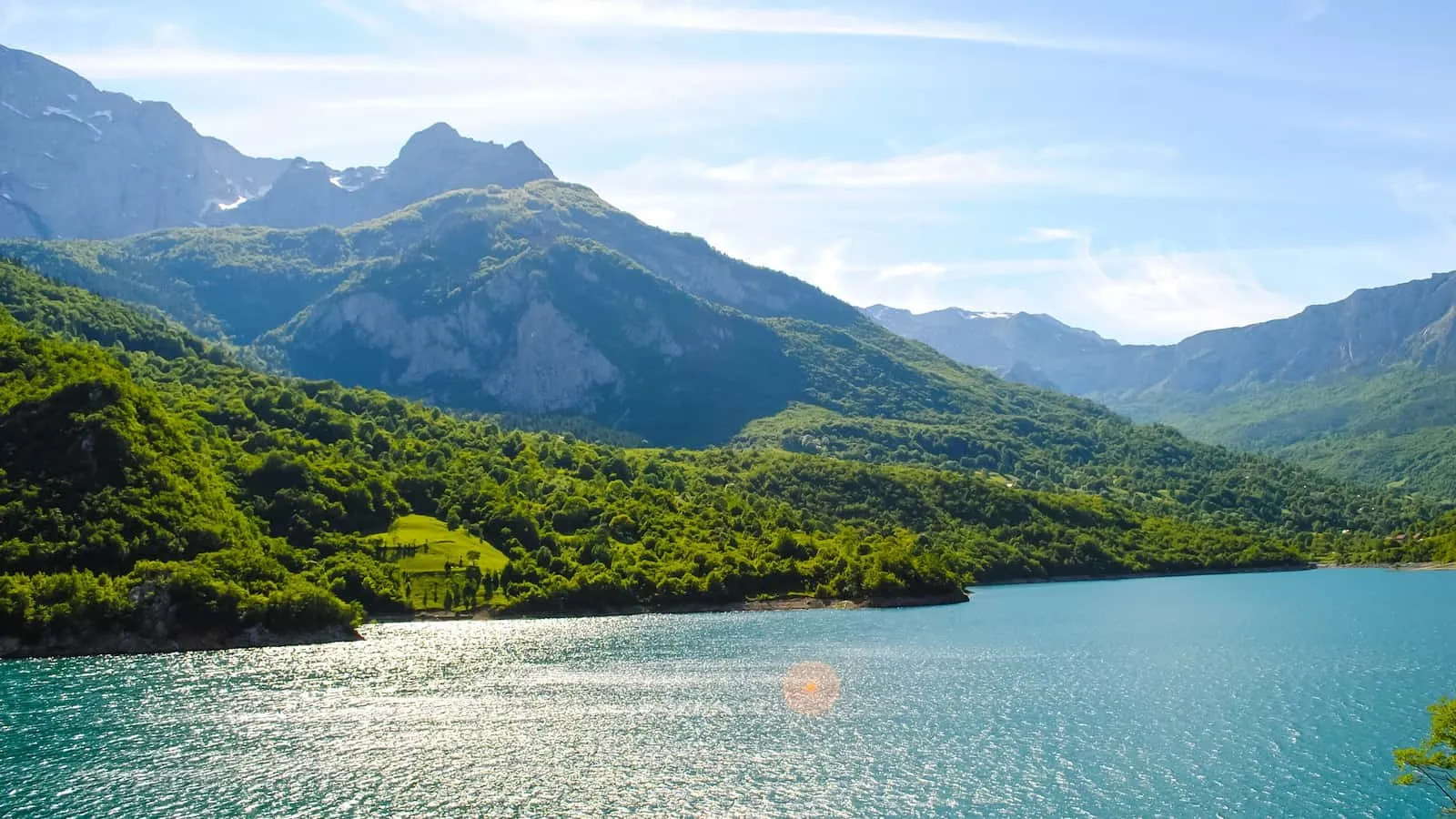
Mountain water is water sourced mountainous areas that emerge from natural springs. This water forms when rainwater seeps into the ground, passes through layers of rocks, and is stored underground or emerging through springs.
During that process, water undergoes natural filtration by the ground and rocks. Water can also carry natural minerals from layers of rocks that it passes through.
Therefore, the mineral content for each mountain spring varies, depending on the geological conditions, types of rocks, and environmental conditions around the water source.
Water sourced from mountain springs is often used as the raw material for bottled drinking water. The source of water should be studied, protected, and monitored regularly to ensure its quality.
The production process should also meet safety standards to prevent physical, microbiological, and chemical contaminants.
With proper management, mountain water can also be a source of mineral water for daily needs. This water source also helps communities access high-quality drinking water to meet their daily fluid needs.
Advantages of Mountain Water for Drinking Water
Mountain water has characteristics that make it widely used as a source of drinking water, especially if the springs are protected and managed properly. Here are some advantages of mountain water for meeting drinking water needs:
1. Contains Natural Minerals
Rainwater that seeps into the ground will pass through layers of rocks. In this process, water can absorb natural minerals from the rocks it passes through. These mineral contents occur naturally and are not simply added during the final stage of production.
Some mineral types that can be found in water include calcium, magnesium, potassium, and sodium. In this case, the types and the amounts of them can vary for each source.
Therefore, mountain water sources should undergo testing to ensure their mineral composition meets drinking water standards.
One drinking water source from protected mountain springs is AQUA. Through the process of natural filtration by layers of rocks rich in natural minerals, AQUA can preserve its natural mineral contents. This natural process also produces AQUA Adem alami, even when consumed at room temperature.
2. Undergoes Natural Filtration Process
The main advantage of mountain water is the natural filtration process that occurs when water flows through the ground layers and rocks. These layers act as natural filters before the water collects in the water source.
This filtration process takes a long period of time. Water should pass through various geological layers with different characteristics. However, water must still pass examination and testing before it is considered safe for consumption.
Read also: Best Mineral Water in Indonesia: Quality Criteria and AQUA Options
3. More Protected from Chemical Contamination
Well water typically comes from groundwater around residential areas. If a well is too close to drainage channels, agricultural land, industrial areas, or septic tanks, the risk of chemical and microbial contamination can increase.
On the other hand, the source of mountain water is located in a protected area with lower risk of pollution. The protection should still be carried out comprehensively because human activity, waste, and other land-use changes can affect the quality of water.
In this case, AQUA comes from carefully selected and protected mountain springs. The selection of water sources takes into account environmental conditions, water quality, and source sustainability before they are used to produce drinking water.
4. Regular Monitoring of Water Source
The advantage of mountain water is not only determined by its location, but also by how the source is managed. Water sources used for drinking water production need to be monitored regularly to evaluate their physical, chemical, and microbiological conditions.
Monitoring helps detect the quality of change due to rainfall, activities around the area, and environmental changes. As a result, protective measures can be immediately conducted if there are any potential disturbances to the water springs.
This process is important to ensure that the quality of drinking water for families is maintained throughout the production and distribution process.
5. Supports Meeting Body Fluid Intake
The body requires water to help with various functions, from regulating body temperature, transporting nutrients to supporting the digestion process. Therefore, in addition to the amounts of water intake, the quality of water also needs to be considered.
Mountain water that has been tested and processed according to standards can help meet your daily fluid needs. You still need to adjust the amount of water based on age, health condition, activity, and environmental conditions.
Read also: Getting to Know AQUA Reflections Glass Bottled Water
How to Maintain the Quality of Mountain Water
The quality of mountain water is closely related to the environmental conditions around the source. Conservation efforts should be carried out from the upstream area to the recharge area so that water remains available and its quality does not diminish.
Here are some efforts to maintain the sustainability and quality of mountain water sources:
1. Conducting Conservation of Water Source Areas
The area around the water source needs to be protected from activities that can cause pollution or damage to ground structures.
Conservation can be conducted by limiting construction, preventing waste disposal, and monitoring the activity of communities around the water source.
Protection is not only carried out at the location of the springs. Areas where rainwater seeps into the ground and underground water flows should also be considered, as they are directly connected to the availability of water sources.
2. Conducting Reforestation
Trees help soil absorb and store rainwater. Plant roots also reduce surface runoff water and prevent soil erosion.
Additionally, reforestation can help restore the soil’s ability to absorb water.
Planting should also involve types of plants that are suitable for the conditions surrounding the area so they can grow well and support ecosystem balance.
3. Preparing the Infiltration Area
Infiltration areas allow rainwater to enter the ground. If the ground surface is covered with concrete or excessive building, more water will flow into rivers and potentially lead to flooding instead of being stored in the ground.
Infiltration wells, biopore holes, green open spaces, and limits on construction in certain areas can help maintain soil absorption. This measure is important to preserve groundwater supplies and sustainability of the springs.
4. Preventing Waste Disposal around the Source
Household waste, livestock waste, pesticides, and chemicals can seep into the ground, potentially contaminating water sources. Therefore, waste disposal around these areas should be prevented and monitored.
The community and business owners should have proper waste management. Education and regular monitoring are needed to protect water sources and make it a shared responsibility.
Meet Your Family’s Drinking Water Needs with AQUA Galon
Mountain water has its own advantages as drinking water, just like AQUA. Additionally, there are many ways to maintain the quality of its source.
To help meet your family’s fluid intake, always prepare AQUA Galon at home. The large capacity, which is 19 liters, is enough to keep your family hydrated daily.
The hygiene of AQUA gallons is maintained through a sanitation process up to 20 times using high-pressure water before being refilled. AQUA 100% is SAFE from physical, pathogen, and chemical contaminants.
Why must it be AQUA? Because not all water is AQUA. AQUA is naturally filtered by layers of rocks rich in natural minerals and processed without human touch through 400 quality tests before distribution. This process makes AQUA Sejuk Alami and cool even without being chilled.
You can also join the AQUA 100% Untung program for every purchase of AQUA Galon. Find unique codes behind the gallon cap, collect the points, and redeem various exciting prizes according to the conditions.
Let’s take part in the SehatAQUA program and meet your family’s drinking water needs with AQUA Galon because Dingin Alaminya AQUA, Ademin Kamu!
Read also: 2 Liters of Water, How Many Glasses? Know Your Water Intake!
